
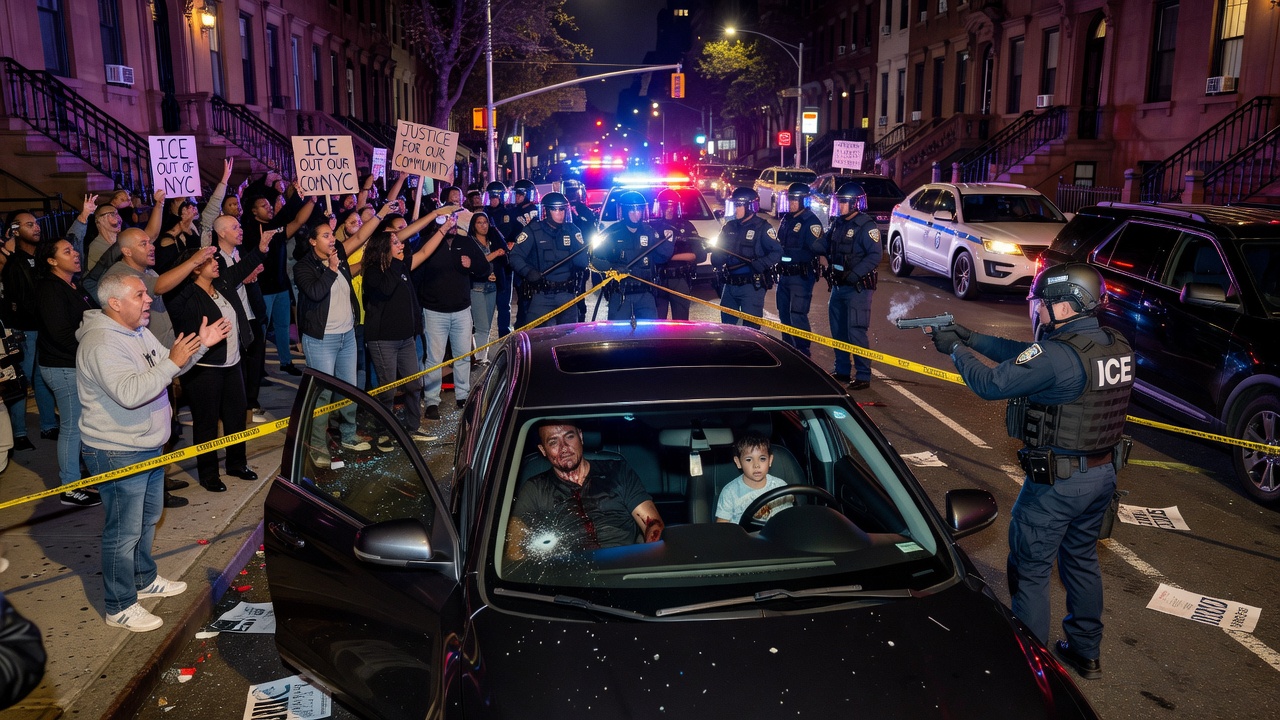
A federal immigration enforcement operation in New York ended in gunfire on October 8, 2026, when an ICE agent shot and wounded a Dominican man during an arrest attempt. The shooting, which occurred with the man's five-year-old child reportedly inside the vehicle, drew residents into the street and led to physical confrontations with NYPD officers called to the scene. The Department of Homeland Security confirmed the operation but has released no explanation for why force was used.
A Chaotic Scene and Conflicting Accounts
According to eyewitness Jose Feliciano, agents opened fire as the man attempted to drive away from the scene. Feliciano said the child in the car was physically unharmed, and that the wounded man was later reported to be in stable condition at a hospital. He also expressed skepticism about how much information authorities were sharing with the community in the operation's aftermath - a sentiment that has become familiar in neighborhoods where federal immigration actions intersect with local policing. The absence of a detailed federal account of what preceded the shooting leaves a gap that residents, advocates and city officials are now trying to fill with their own narratives.
Why Local Police Got Pulled In
NYPD officers were not the ones who fired shots, but they found themselves managing the crowd that gathered afterward, and clashes broke out between officers and protesters. This dynamic is not new. Federal immigration operations conducted in dense urban environments routinely draw local police into a secondary role - crowd control, traffic management, de-escalation - even when city departments have no jurisdiction over the operation itself and no advance knowledge of it. That disconnect between federal authority and local accountability is at the center of much of the current friction in cities like New York, where officials have at times pushed back against aggressive enforcement tactics carried out without local coordination.
The Transparency Gap
DHS has labeled the operation a "targeted enforcement operation," a term that signals the agency considered a specific individual the intended subject, but the agency has not said what justified the use of a firearm. This pattern - a brief official characterization followed by silence on the specifics of force - is a recurring friction point in how federal immigration actions are communicated to the public. Communities affected by these operations are often left relying on eyewitness accounts, as happened here, rather than verified agency reporting. That vacuum tends to deepen mistrust rather than resolve it, particularly in neighborhoods with large immigrant populations who already navigate a complicated relationship with federal authorities.
What Comes Next
Incidents involving injury during immigration enforcement typically trigger review processes within DHS and, depending on jurisdiction, parallel scrutiny from local oversight bodies or elected officials. Whether this case leads to a public accounting of the agent's actions, or fades into the long list of enforcement incidents without full disclosure, will shape how residents and city leaders respond to future operations. For now, the episode has added another flashpoint to an already strained relationship between federal immigration policy and the cities where it is carried out.