
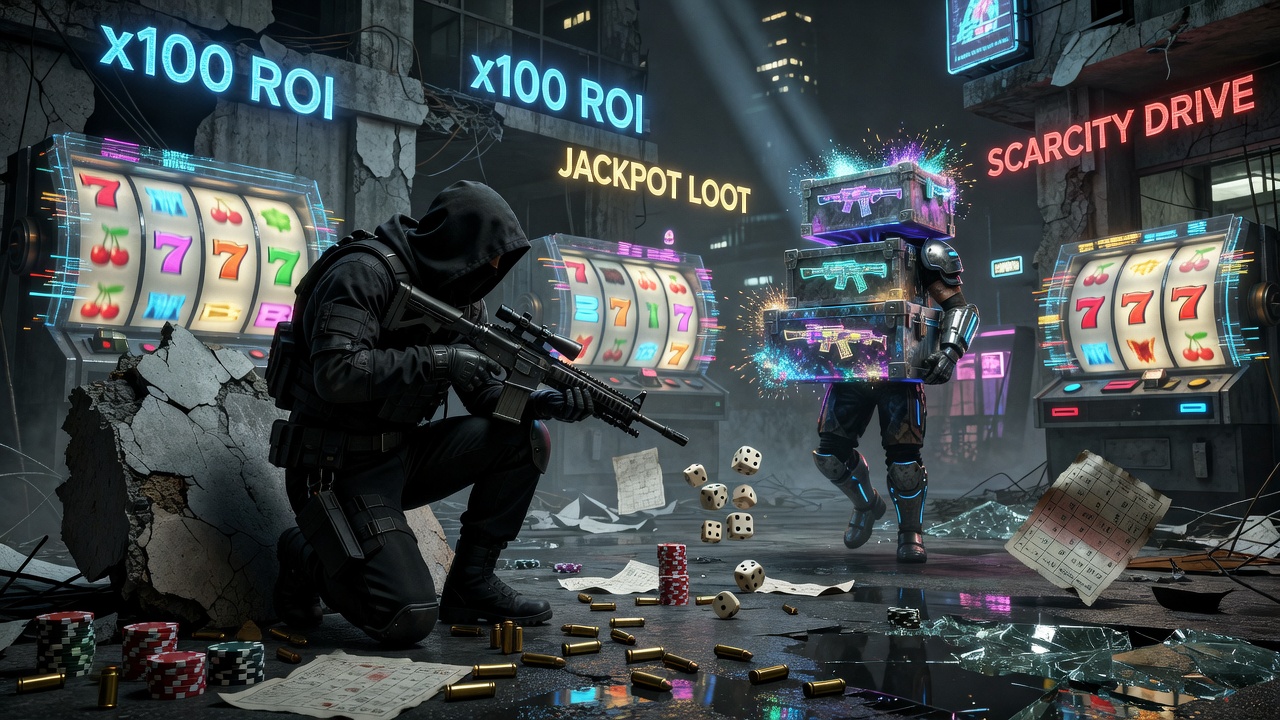
A player describes a method for making money inside a game: buy a particular type of ammunition, pick up a free weapon, then stalk other players who are carrying valuable loot and shoot them in the legs. The tactic reportedly returns a hundred times the value invested. It sounds like a niche gaming tip, but it exposes something broader about how modern online games blend combat mechanics with economic incentives that resemble gambling systems.
When Game Design Becomes a Market
Many multiplayer titles now run internal economies where ammunition, weapons, and loot carry real strategic and sometimes monetary value. Players are encouraged to take risks, hoard resources, and exploit probability-driven outcomes such as loot drops or damage rolls. This design philosophy borrows heavily from behavioral principles used in gambling products: variable rewards, scarcity, and the temptation to chase a bigger payoff by taking greater risk. The player's own description of the tactic as "x100 value" reflects exactly the kind of reward framing that keeps users engaged, whether in a casino app or a shooter game.
Predatory Mechanics and Player Discomfort
The ambivalence expressed by the player is telling. Hunting "loaded" opponents by patiently waiting and aiming for the legs is effective, but it also changes the social dynamic of the game. Instead of fair combat, it rewards predatory behavior targeting vulnerable, resource-rich players. This mirrors a recurring tension in gambling-adjacent products: mechanics that are technically within the rules can still create uncomfortable, exploitative dynamics that undermine trust in the system. Game developers, much like gambling regulators, face pressure to decide whether such strategies should be patched out or left as emergent gameplay.
Why This Matters Beyond Gaming
The overlap between game economies and gambling-style incentive structures has drawn increasing attention from regulators and consumer-protection advocates, particularly where real money or tradeable items are involved. Loot-based systems, risk-reward loops, and scarcity mechanics are not inherently harmful, but they can normalize gambling-like behavior among younger or more vulnerable players. Transparency about drop rates, economic balance, and the consequences of exploitative strategies is increasingly viewed as a responsibility for developers, not just a design choice.
- In-game economies increasingly resemble gambling mechanics through risk, reward, and scarcity design.
- Exploit-based strategies can create unintended predatory dynamics among players.
- Regulators and consumer advocates are paying closer attention to loot-based systems with real-world value.
- Developer transparency about odds and rewards is becoming a consumer-protection issue, not just a gameplay one.
The Broader Lesson for Players
The player's unease about "hunting" others for profit, even while enjoying the thrill, reflects a common experience in systems built around risk and reward. Just as with gambling products, mechanics that feel exciting in the short term can create dynamics that feel ethically uncomfortable once their implications are fully understood. Recognizing that discomfort is a healthy instinct, whether the system in question is a video game or a real-money platform.